
Driving a Tesla to pick strawberries. But not just in the countryside, but rather in a staged agricultural setting. This trend offers opportunities for building sustainable experiential brands, as many examples demonstrate.
While rural life and agriculture were once associated with the idea of hard physical labor, they are now viewed differently, especially by members of the post-industrialized middle class. Several social trends can be observed in the activities of these individuals in the countryside, such as picking their own strawberries. One is the enduring desire for authenticity. Those who bend down and pick themselves "perform their (supposedly) unique self before others, who become the audience," as sociologist Andreas Reckwitz describes it. It is a struggle for meaning and visibility, less about the money saved by doing it themselves. The Glantz strawberry farm (https://glantz.de) caters to this desire with several fields for self-picking and has become a regionally well-known brand.
Karl's approach went in a slightly different direction (www.karls.deWhat once began as a strawberry farm is now a thoroughly event-driven brand experience that still includes strawberry picking. In northern Germany, specifically in a village in Mecklenburg, Karls started as an agricultural business just over 100 years ago. At some point, strawberries became the focus. But Karls really took off in 2010 when the owner asked himself what the company actually stood for and where its potential for success lay. The result: "Experiences that inspire." Since then, numerous Karls experiences centered around strawberries and agricultural work have been created. For example, the so-called Karls Adventure Villages, a kind of theme park themed around strawberries, structurally comparable to Legoland.
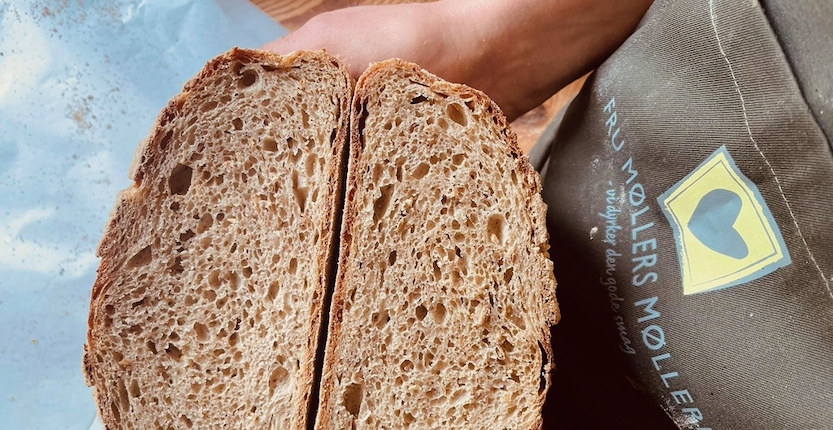
The macro trend of sustainability is, of course, also an important guiding principle when experiencing agricultural life. The Wulksfeld estate (https://www.gut-wulksfelde.deFor example, they offer farm and herb tours, in addition to the well-known pick-your-own option. Many activities are designed with an educational focus on sustainability, hence the collaboration with schools and the seminar program. Looking a little further north, Fru Möllers Mölleri catches the eye (https://frumollersmolleri.dkThis provider of staged rural life near Aarhus perfectly understands how not to be too perfect. A brand design that feels handcrafted and homemade is just as fitting as the staging of animal ethics. And a dairy brand like Hansano from northern Germany recognizes the opportunity to build trust and collaborates with farmers who become "Hansano farms," some of which also offer tourist facilities. In this way, the cow becomes a touchpoint in the customer journey.
The fact that the countryside is coming to the city is also evident in branding within the bread market. Particularly in the high-priced segment, the idealized image of the regionally handcrafted loaf of bread is currently gaining traction. Copenhagen Coffee Lab ( https://copenhagencoffeelab.com/bakery/deThis demonstrates that there is little price sensitivity among the public in an urban environment. With the further intensification of this segment, bakers, much like television chefs of yesteryear, are becoming visible as individuals with a concept and a distinct stance. "Author bakers" like Jochen Gaues successfully demonstrate the principle of personalized branding.
These examples demonstrate that branding is a fertile ground for providers of agricultural experiences and products. With the possibilities of digital micro-segmentation, even small providers can strategically build their regional brand experiences.