
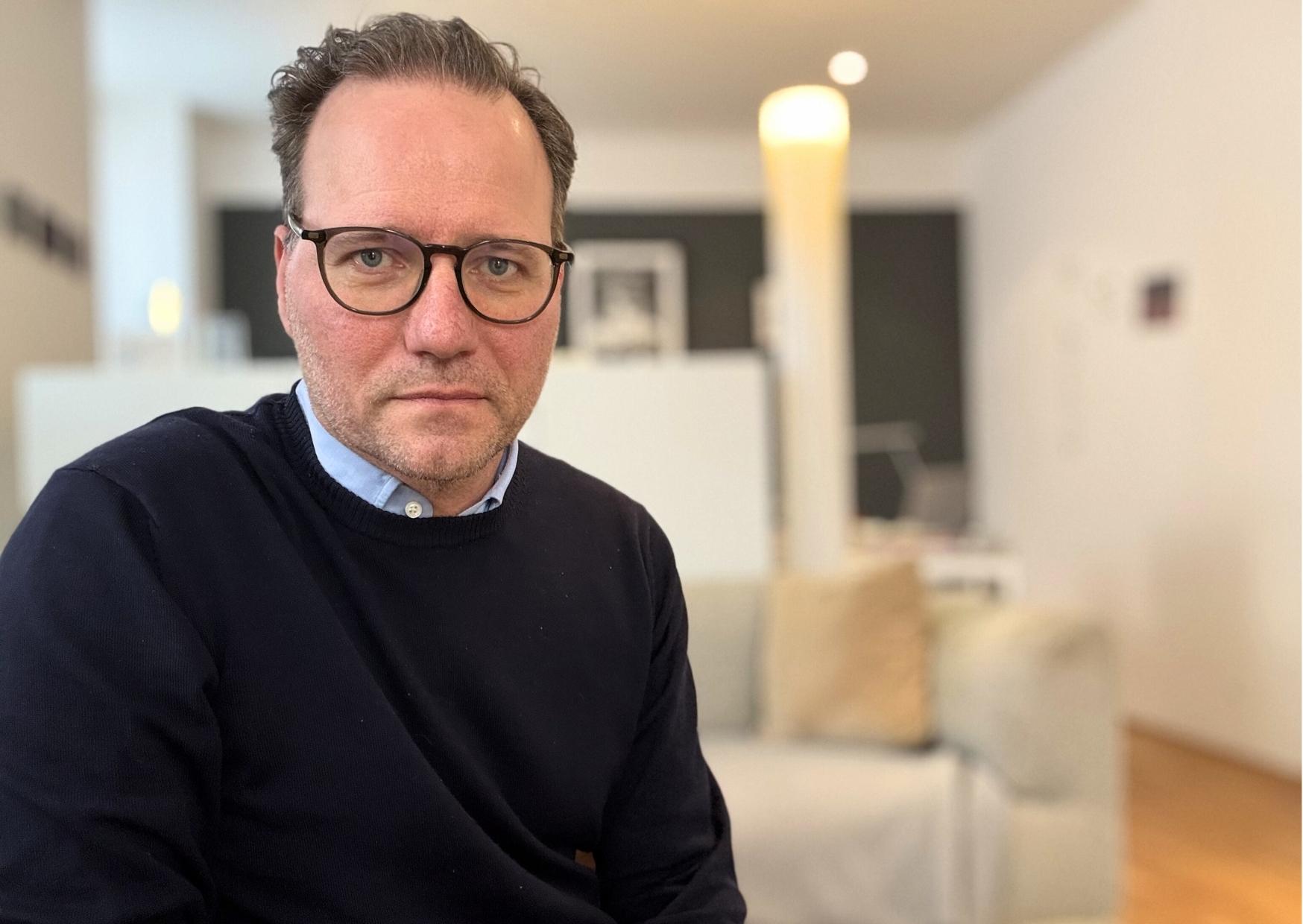
by Erich Posselt
Europe seems tired: too much at once, too little direction. Overregulated, uncertain, exhausted – this isn't just a buzzword, it's a climate. In such times, organizations readily resort to what promises immediate control: tools, methods, "quick wins." In the world of brands, this very often means AI.
But AI isn't just another tool. AI is changing how people choose whom to trust – and what they perceive as relevant. That's precisely why branding is moving back into focus. Not as a campaign, but as a compass: for orientation, belonging, and the ability to act.
The Brand Club's theme for 2026 is "A brand new beginning" I interpret this as a mission statement: clarify the core identity, increase decisiveness, and ensure impact in a new reality.
Brands were never just consumer goods.
Those who view brands merely as packaging for products underestimate what brands have long been doing: They shape everyday life, behavior – and ultimately society.
Apple is a prime example. "Think Different" wasn't just advertising; it was a cultural promise: creativity, empowerment, individuality. Apple didn't just sell devices, it sold possibilities—and in doing so, shaped expectations for our lives with technology. The fact that billions of people today use a smartphone as an extension of their self-understanding isn't just a product phenomenon. It's a cultural shift that one brand has helped to shape.
This becomes even clearer with brands that structure social rituals. Hallmark is "only" a greeting card manufacturer – yet for decades it has helped determine on which occasions we express feelings (birthday, wedding, mourning, birth), how we express them, and which words are considered "appropriate." This is no small matter. This is social shaping: norms, language, occasions, tone. A brand as a silent co-author of our culture.
And then there are brands that directly link consumption with a stance. Lemonaid is emblematic of a generation of companies that don't just talk about responsibility, but integrate it into their business model: fair sourcing, transparency, and concrete social impact. One can debate the magnitude of the effect – but there's no denying that a different brand essence is revealed here: consumption not as an end in itself, but as a lever.
These examples show that brands are not just market participants. They are cultural actors. They create meaning, they shape norms, they define what is "normal".
Brand transformation means: from communication to design
When AI makes the world faster, more crowded, and more interchangeable, the scarce commodity will no longer be content, but orientation. Then, better communication won't be enough. Brands will have to design better: decisions, rules, rituals, expectations.
Three simple questions help – not as theory, but as a working logic:
First: What kind of behavior makes our brand easier to understand?
Apple made "using technology" more intuitive – and thus made technology suitable for everyday life. Hallmark made "expressing feelings" easier – and thus standardized rituals. Lemonaid makes "conscious consumption" easier – and links purchases to effects.
Secondly: What standard does our brand set – consciously or unconsciously?
Every brand sets standards: What is considered good taste? What is "appropriate"? What is progress? What is success? In an AI-driven world, these standards become more important because systems reinforce them: platforms, recommendations, agent logic. What the brand presents as normal more quickly becomes the new norm.
Thirdly: What form of growth are we actually talking about?
Brand development is also a question of growth. Not in a moral sense, but in a strategic one: If growth is merely about quantity, AI will help us in the short term – and overtake us in the long run. But if growth means impact, then branding becomes the operating system: growth in trust, longevity, resilience, and relevance.
What brands can specifically do in 2026
A new beginning becomes tangible when it translates into action. Not in slogans, but in decisions that are recognizable. For example:
A brand that is serious about „durability“ must make it visible in the product, in the service, in the repair, in the upgrade – not just in the campaign.
A brand that promises "belonging" must create spaces where people can truly participate – not just "address" target groups.
A brand that wants to "trust" needs to become simpler: fewer features, fewer excuses, more clarity about priorities, origin, and impact.
And yes, AI is part of it. But as an amplifier, not a replacement. AI can help reduce friction, personalize guidance, and improve dialogue. But the direction must come from us. AI doesn't provide a stance.
My wish for „A brand new beginning“
As a Brand Ambassador for the Brand Club, my wish for 2026 is less debate about tools and more debate about impact. Less "What can we do even faster now?" and more "What do we really want to make easier, enable, change?"„
Brands cannot transform society on their own. But brands can normalize new possibilities. They can shape language. They can mold rituals. They can shift expectations.
The question is: Which brands dare to consciously use this influence before others do it for them?
We at the Brand Club look forward to your opinions, ideas, and approaches. Join us! Here on the blog, at an event near you, or as a member! Become part of a vibrant community of people who embody branding. As experts, as leaders, and as entrepreneurs. In Switzerland, Austria, Germany, and Liechtenstein.
Erich Posselt He is a brand strategist and agency consultant. He owns the brand agency Neufrankfurt ("Uncomplicate Your Brand") and is a partner at STRAT FWD ("Boost your Agency"). As a Brand Ambassador for the Brand Club, he is involved in the debate surrounding the 2026 theme, "Brand Renewal." As an author, he connects branding with issues of social development, consumer culture, and sustainability.