
von Christian Prill und Samuel West
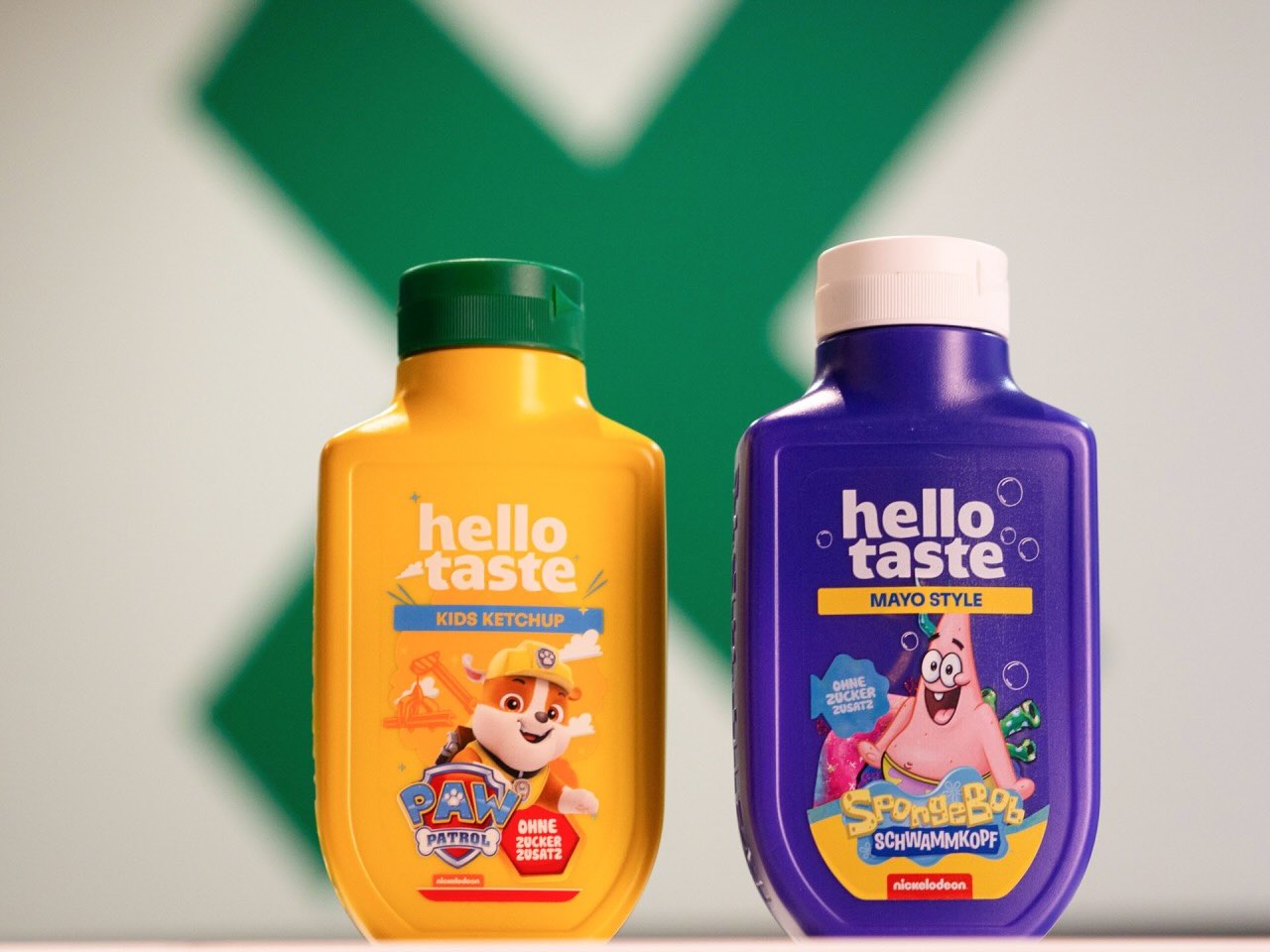
We recently spotted these SpongeBob and PAW Patrol sauces in a German supermarket.
They are a masterclass in visual confusion:
- The Ketchup bottle is mustard yellow.
- The Mayo bottle is “shampoo blue” with bubbles.
As Ludwig Wittgenstein famously wrote: “If people never did silly things nothing intelligent would ever get done.” Innovation requires experimentation, and that means also testing seemingly silly things. But these bottles are now headed for the “discontinued” bin. Here are some reasons this experiment likely did not do well on the supermarket shelf
Licensing Vampire Effect
The licensed characters didn’t just support the brand, they swallowed it. While Sponge Bob shouted, the actual brand (Hellotaste) whispered.
User vs Buyer
Kids may love the playful colors, but they aren’t the ones checking the back label of the package. By prioritizing novelty over quality cues, utility, and nutritional information, the packaging failed to convince the adult buyers.
The Safety Trap
Organizational psychology tells us that teams tend to over-index on safety signals. A big license feels like insurance to a stakeholder, but in reality it does not guarantee anything.
Shelf Visibility
In a busy supermarket, contrast, hierarchy, and readability beat Sponge Bob details every time. Recognition is king: from three meters away, a shopper’s brain looks for red ketchup category cues, with a yellow bottle, the brain registers mustard.
Christian Prill is the honorary managing director and chairman germany of the Brand Club. His main job is to support agency owners in developing their agencies and their clients in matters relating to brand strategy.
Samuel West founded the Museum of Failure. He is particularly interested in why brands fail and how organisations can learn from this.